Hope is a trust in God, that the Lord will take me out of this problem and will give me the grace of endurance, or He will defend me even after many years. After the cross, there is resurrection, and after darkness, there is light. Have hope in the Lord even if all doors are closed shut. As we have previously mentioned concerning the events of 1981, with the mind it was hopeless, but the Lord is our hope: “The hope of those who have no hope and the help of those who have no helper”‘!? For if you have no help, the Lord is your helper. If you are thinking, “How will these issues be resolved? The person who is causing trouble, how will he change?” Our Lord is the hope: “The hope of those who have no hope and the help of those who have no helper.”
—H.E. Metropolitan Youssef, How to Endure Injustice
Category: SUFFERING
-
-
The vita’s description of her illness is “graphically physical”.[32] Her lungs and vocal chords were afflicted first, then a single tooth and her gums, and finally her entire jaw, which decayed to the point that it blackened her mouth and caused “such a stench that her disciples could not bear to be near her”.[32] Eventually, she died of cancer and “consumption in the lungs” after a three-year long illness.[9] According to Wheeler, the vita portrays Syncletica’s illness and death graphically because it demonstrates the importance of “her identification with Christ through bodily pain, suffering, and death”.[32] The emphasis also encourages its readers to be more sensitive to how physical distress affects both the person experiencing it and the people around them.
-
Moreover, it is common for believers, when they are faced with trials and hardships, to feel as though they are undeserving of such misfortunes. In his Letters to Olympias, St. John Chrysostom offers a new outlook: “Nothing, Olympias, redounds so much to the credit of any one as patient endurance in suffering. For this is indeed the queen of virtues, and the perfection of crowns; and as it excels all other forms of righteousness, so this particular species of it is more glorious than the rest.”[28] Through suffering, we have the opportunity to cultivate many virtues, and the despair that may be engendered in us through hardship can rather become a means for glorification. This paradoxical perspective — of the opportunities and growth which suffering may occasion — may seem, at first glance, to be illogical. Rather, we are assured by the Apostle Paul that “the foolishness of God is wiser than men,”[29] and that “the message of the cross is foolishness to those who are perishing, but to us who are being saved it is the power of God.”
To Be Blessed Is To Suffer?
Hilana Said -
The pursuit of ease and personal gain in this life prevents one from enjoying the presence of God and blinds his eyes from seeing Christ because it rather fixes his attention on himself.
Imperfect Love: Struggling to Love Like God
Hilana Said -
Your past and present torments and sufferings are poured down upon you to test your faith and steel it; they also work to curb your lusts and passions. Humble yourself. God succours the humble. Judgment of others, insistence on their shortcomings, can only increase the bitterness of your sorrow. Choose the better part.
-
…you should know the prophecy of the ancient Fathers, that in the last times monastics will be saved not through spiritual exploits, but through the endurance of sorrows. To such an extent is this true and needful that the surest sign of God’s favor and God’s love for a person is the multitude of sorrows and sicknesses which befall him.
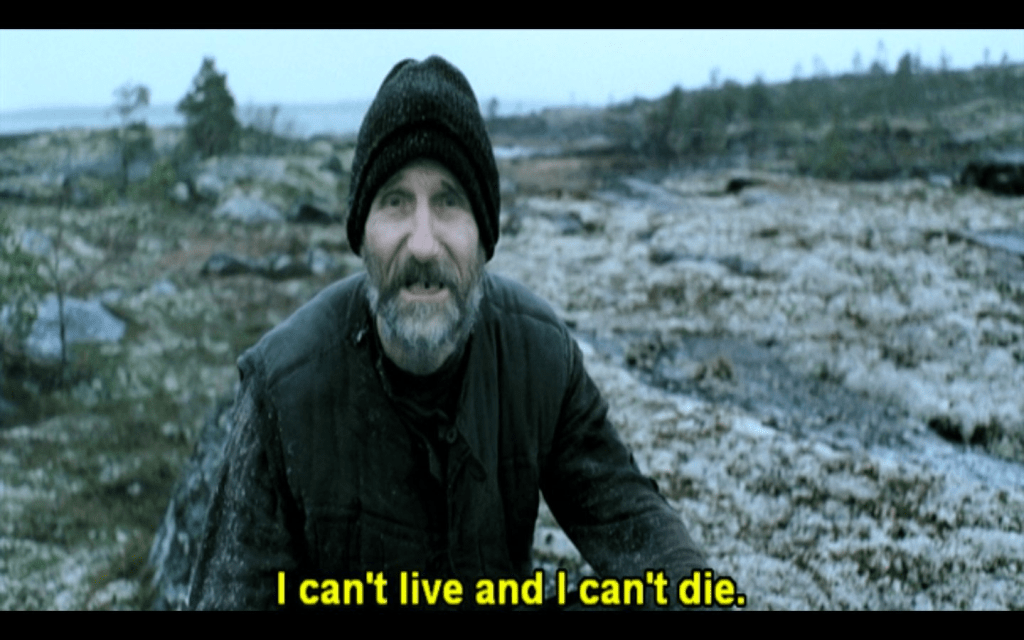

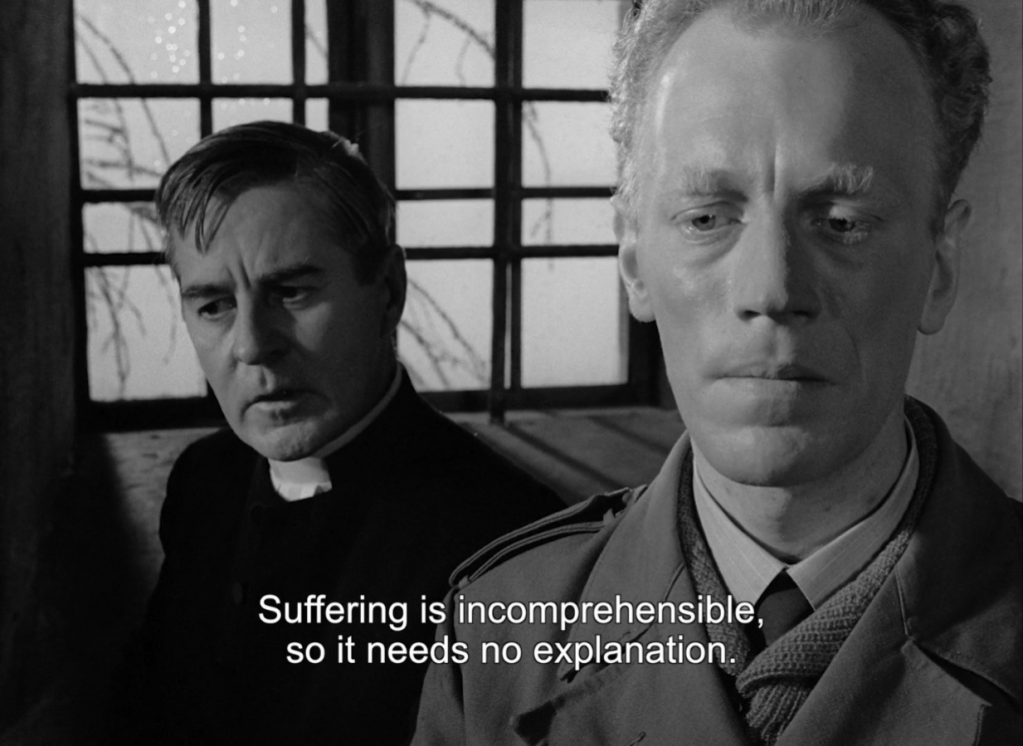
 SO GOOD QUOTES