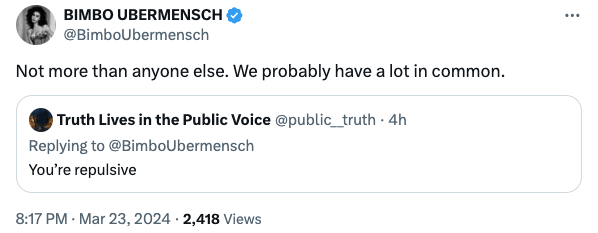
“The man who cries out against evil men but does not pray for them will never know the grace of God.”
—St. Silouan the Athonite
-
Love every man as yourself—that is, do not wish him anything that you would not wish for yourself; think, feel for him just as you would think and feel for your own self; do not wish to see in him anything that you do not wish to see in yourself; do not let your memory keep in it any evil caused to you by others, in the same way as you would wish that the evil done by yourself should be forgotten by others; do not intentionally imagine either in yourself or in another anything guilty or impure; believe others to be as well-intentioned as yourself, in general, if you do not see clearly that they are evilly disposed; do unto them as you would to yourself, or even do not do unto them as you would not do unto yourself, and then you will see what you will obtain in your heart—what peace, what blessedness!
—St. John of Kronstadt, My Life in Christ -
“If poor judgment is harmful to everyone, it is particularly so to those who live with great strictness.”
—St. Mark the Ascetic -
Even if some people are foul and have reached the extremes of evil, often they have done one or two or three good things…. We ought to suspect the same also in the case of good people. Just as the most worthless people often do something good, so those who are earnest and virtuous often fail completely in some other respect.
—St. John Chrysostom, On Wealth and Poverty -
In giving alms, we are to be neither niggardly nor choosing. We are to be generous and hospitable. We are not to inquire into the lives of the poor, setting standards for help beyond their need. We are to be almsgivers, not judges! We are to fill the need of the poor, regardless of their sins. We have our own sins, in any case, and as we judge so shall we be judged. The poor man has one plea, his need. We are to correct his poverty, fill his need, and must not require anything else.
On Wealth and Poverty
St. John Chrysostom -
“If you see your neighbor in sin, don’t look only at this, but also think about what he has done or does that is good, and infrequently trying this in general, while not partially judging, you will find that he is better than you.”
—St. Basil the Great -
Setting yourself as the good example for the other person, is of the utmost importance. For what the other one needs is your example and silence and love… Nothing else… This is what experience has taught me, both for children and grown ups – particularly for the grown ups. If you happen to express an opinion, make a comment or pass judgement on whatever the other one believes or practices, you will be hitting straight at his Ego. And the Ego will not admit, even inwardly, that what you are saying is correct. The Ego does not want to be told anything by anyone else. Unfortunately this is so… Therefore, keep your silence. Do not say anything until you are asked for your opinion. The Lord has said it clearly: “Give to every man that asketh of thee”. On all matters… Are you asked for your opinion? Then give it. That is my experience. Love and silence: with these two I am so happy, so quiet, so peaceful… I cannot describe it adequately to you. It is Heaven on Earth. I wish for nothing else…
—Mother Gavrilia -
When people say something in judgment of you, it is almost always really a judgment of themselves. So if they open their mouths to criticize you, you just file that away as a shortcoming that they believe they have and that they feel ashamed of. Similarly, if I find myself judging and reacting to someone else, I’m probably in reality mad at myself for something I’ve done or felt and I need to find a way to be at peace with my own shortcomings so that I can forgive those things in others. In both cases, these shortcomings can be great opportunities to understand and connect more with other people, rather than to judge and isolate, because it is our weaknesses and vulnerabilities that let us relate most to each other.
Marian, June 22, 2013 at 2:25 pm -
We never know what someone is working through and where they are on their spiritual journey. We make judgments based on what we see, but they are only skin-deep judgments. If only we knew people’s hearts, their struggles, we would pray instead of entertaining the judgmental “whys” that come to us…
—Presvytera Constantina Palmer in ‘The Sweetness of Grace’